
Mast cell tumors – dogs and cats
DermatologyElderlyInfectious DiseasesPuppies & KittensSurgery
Understanding mast cell tumors in dogs and cats
| What is a mast cell? A mast cell is an immune system cell found in the skin, lungs, and intestines. It participates in the body’s defenses by releasing substances like histamine. When a group multiplies abnormally, it forms a mast cell tumor. |
Key characteristics
|
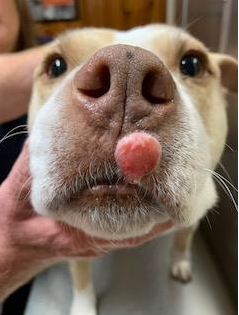
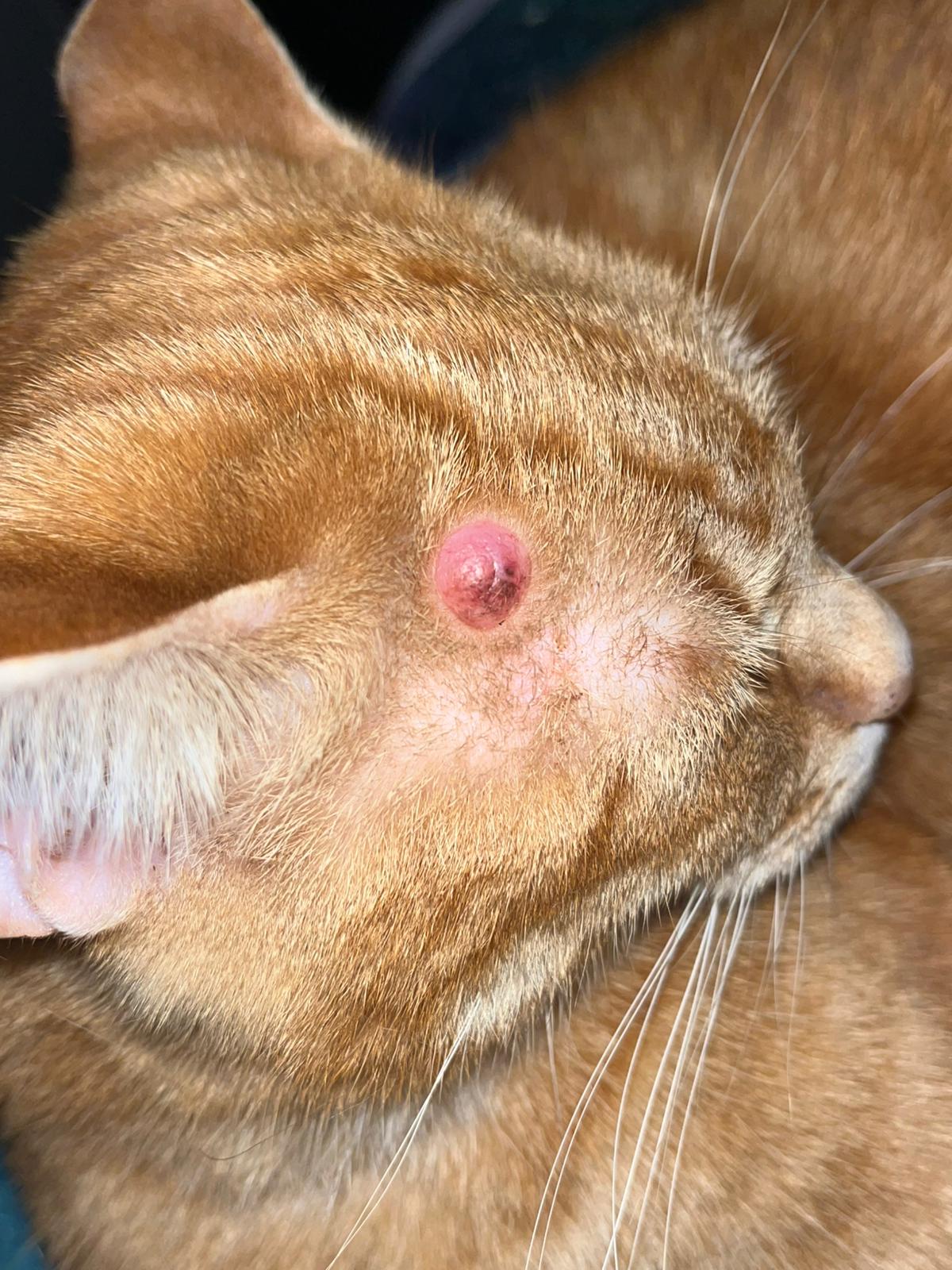
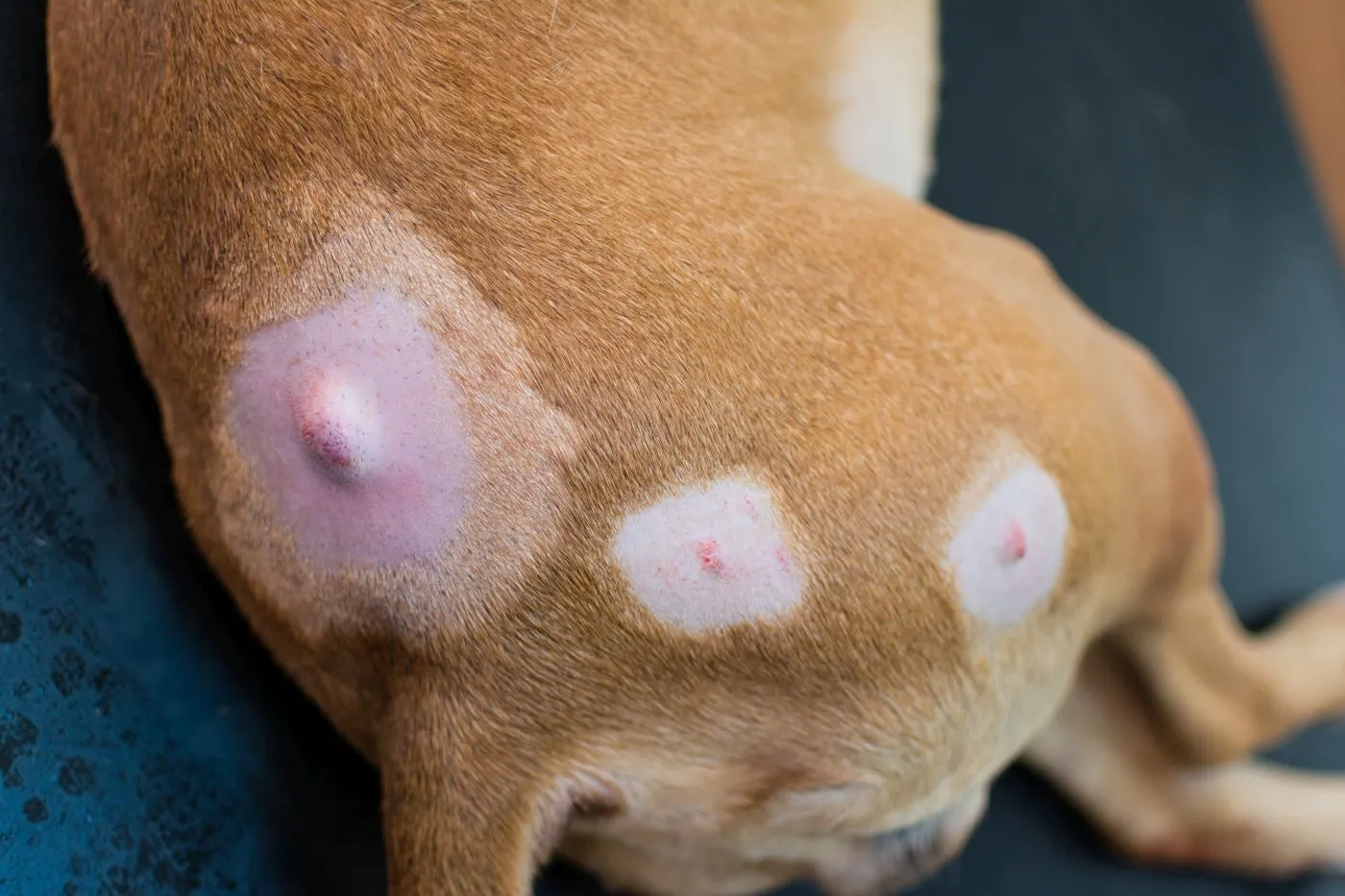
| Any new mass should be examined via fine needle aspiration, as appearance alone is not enough. |
In dogs
| Very common (Boxer, Pug, Shar-Pei…). Behavior varies. Histopathological analysis assigns a grade: – Low grade: Low aggression, surgical cure often possible. – High grade: High risk of recurrence/spreading. Additional treatments required. |
In cats
| Affects adult/senior cats. Cutaneous form: Most common (head, neck). Low aggression, excellent prognosis post-surgery. Visceral form: Affects spleen or intestines (vomiting, weight loss). Spleen removal can offer long survival. |
Staging evaluation
| Before surgery, staging (ultrasound, lymph node aspiration) is essential to know the disease’s extent and choose the right treatment. |
Treatments
| Surgery: Treatment of choice. The surgeon also removes a margin of healthy tissue. Lab analysis of margins is essential.
Other options: Radiotherapy, Chemotherapy, Targeted therapies, Corticosteroids, or Injection treatment (Stelfonta) depending on the case. Support: Antihistamines and stomach protectants can limit inflammatory complications. |
PrognosisMany low-grade mast cell tumors can be cured with appropriate surgery. Early diagnosis offers the best chances of recovery. |
Share this health file:
