
EYE INJURY
Daily LifeHygieneInstructions for UseLife StagesOphthalmologyPharmacyProducts info

ADVICE SHEET: EYE INJURY
An eye injury is physical damage to the eye or the area around the eye. Because the surface of the eye (the cornea) is very thin and sensitive, a simple scratch, bump, or irritant can quickly worsen and endanger your pet’s vision.
[ ! ] SIGNS TO WATCH FOR
[ + ] Behavior: The animal keeps its eye closed, squints, or rubs its face.
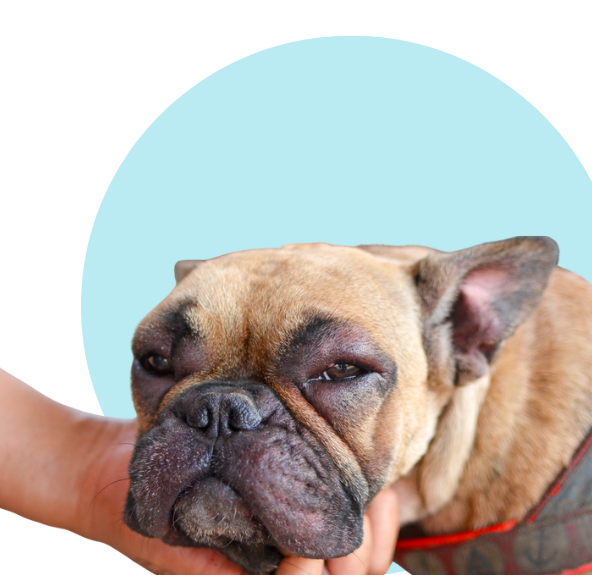
[ + ] Appearance: The eye is very red, swollen, cloudy (bluish), or appears to bulge from its socket.
[ + ] Eyelids: The eyelid can no longer close completely over the eye.
✔ TREATMENT AND CARE
An eye injury is a priority. A veterinarian must examine the animal immediately. A few hours can be enough for the animal to lose its sight.
What to do at home
[ – ] Safety: Be careful, pain can cause the animal to bite. Use a muzzle if necessary.
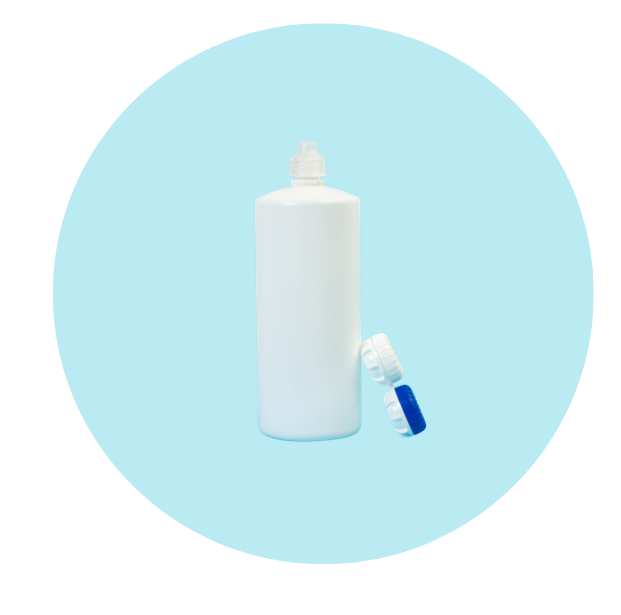
[ – ] Keep the eye moist: If the eye “bulges” or no longer closes, gently apply contact lens solution or a very wet cloth while waiting for the appointment.
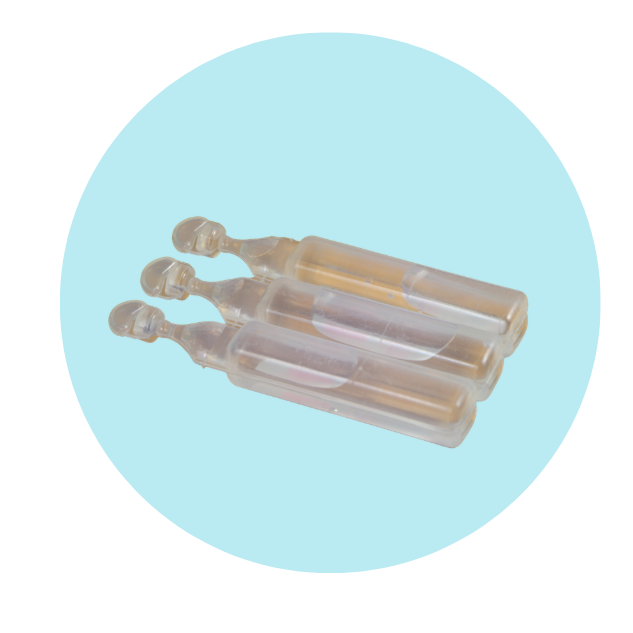
[ – ] Rinsing: If a chemical has touched the eye, rinse gently with water or saline solution for 15 minutes.
[ – ] Rest: Prevent the animal from scratching its eye (wearing an E-collar/cone is often essential).



[!] ABSOLUTELY AVOID
➤ DO NOT attempt to remove an object stuck in the eye yourself.
➤ DO NOT try to “push back” a bulging eye. Only a veterinarian can do this under anesthesia.
➤ DO NOT wait until the next day to consult.
Contact us immediately if: the eye suddenly changes color, if the discharge becomes thick green/yellow, or if your pet seems to be in increasing pain.
Roger Gfeller, DVM, DACVECC ;
Michael Thomas, DVM ;
Isaac Mayo ;
VIN Emergency Medicine Consultants
Publication Date: 12/31/1994 | Revision Date: 10/07/2018
First Aid Resources:
• Abscess
• Bandage
• Insect Stings
• Bleeding
• Swelling
• Burns
• Breathing Difficulty
• CPR
• Chemical Injuries
• Choking
• Dehydration
• Diarrhea/Vomiting
• Difficult Birth
• Drowning
• Electrocution
• Fainting
• Fever
• Fractures
• Heatstroke
• Hypothermia
• Penetrating Wounds
• Nosebleed
• Paralysis
• Physical Exam
• Poisoning
• Preventing a Seizure
• Seizures/Convulsions
• Shock
• Snakebite
• Straining to Eliminate
• Sunburn
• Transporting the Animal
• Wounds
• Conclusion
• Bandage
• Insect Stings
• Bleeding
• Swelling
• Burns
• Breathing Difficulty
• CPR
• Chemical Injuries
• Choking
• Dehydration
• Diarrhea/Vomiting
• Difficult Birth
• Drowning
• Electrocution
• Fainting
• Fever
• Fractures
• Heatstroke
• Hypothermia
• Penetrating Wounds
• Nosebleed
• Paralysis
• Physical Exam
• Poisoning
• Preventing a Seizure
• Seizures/Convulsions
• Shock
• Snakebite
• Straining to Eliminate
• Sunburn
• Transporting the Animal
• Wounds
• Conclusion
