
Enucleation
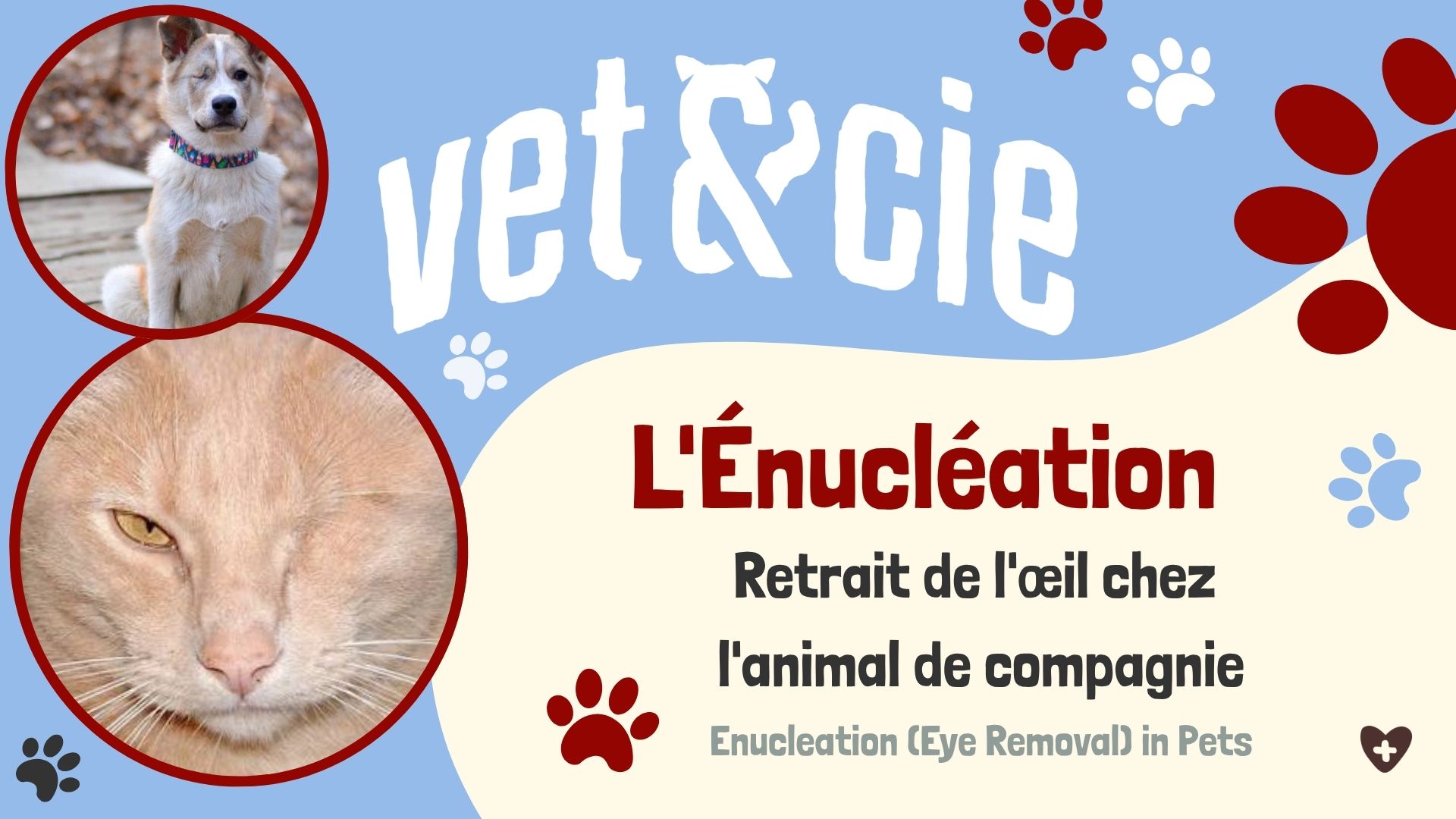
Why is this procedure necessary?
In almost all cases, the surgical removal of an eye (enucleation) is recommended because the eye has become very painful and has permanently lost vision. When restoring vision is impossible, the absolute medical priority becomes relieving your pet’s pain. The most common causes include:
- Severe trauma (infected scratch, puncture, blunt force against a sharp object).
- Glaucoma (a very painful increase in pressure inside the eye).
- Ocular tumors.
- Severe ulcers (often linked to herpes in cats).
Note: Brachycephalic breeds (flat-faced animals with prominent eyes) are more predisposed to severe eye injuries that sometimes lead to enucleation.
Are there alternatives to enucleation?
Most owners prefer that their pet keeps both eyes. In some cases, this is possible with the help of a veterinary ophthalmologist specialist.
- Microsurgery: Some wounds can be sutured under high magnification.
- Ocular prosthesis (Evisceration): The internal contents of the eye are removed and replaced with a prosthesis (a “black ball”) to maintain a natural appearance. Please note, this option is impossible if the eye is infected or has a tumor.
- Advanced glaucoma surgery: To attempt to save the eye.
Good to know: These advanced procedures must be performed by a specialist, but often cost three to four times more than an enucleation. Enucleation remains an excellent medical option, performable by your general veterinarian, to offer immediate and permanent relief to the animal.
Is it painful or disfiguring?
Pain: Painkillers will be prescribed for the first week following the operation. Once healed, the surgical area will be completely painless and very comfortable for your pet.
Appearance: The eye is removed, and the eyelids are sewn together. The eye will simply appear closed. In long-haired breeds, owners often let the hair grow on the operated side, which almost entirely hides the area and offers a very natural result.
What to expect after surgery?
Swelling and discharge
It is normal for the eyelids to be swollen and sometimes have slight bruising. A slight oozing of pink or red-tinged fluid may also be observed during the first few days. These changes gradually decrease, and the swelling usually subsides during the first week, while the eye socket gradually takes on a flatter appearance.However, please contact us if the swelling remains significant or worsens after the first week, if the wound has a heavy, yellow, green, or foul-smelling discharge, if the skin becomes very red, or if your pet seems to be in more pain.
- Suture removal: Stitches will need to be removed 10 to 14 days after surgery, unless absorbable stitches buried under the skin were used.
- Wearing the E-collar: Wearing an Elizabethan collar (cone) is mandatory for 10 to 14 days to prevent your pet from scratching or rubbing its eye, which could cause the wound to open. Most pets can eat and drink without problems while wearing their collar. If you must remove it temporarily, your pet must be supervised at all times.
- Persistent oozing: In rare cases, when the eye is removed following significant trauma, a small fragment of tissue may remain in the socket and produce secretions. If discharge persists for several weeks after surgery, an intervention may be necessary to remove this tissue.
What will life be like after the operation?
Your companion’s life will return to completely normal! As long as the other eye sees well, there will be no major handicap.
Some precautions to take:
- Loss of peripheral vision: Your pet will no longer see from the enucleated side. They may sometimes bump into objects at first or be startled if you approach them from that side without making noise. Speak to them softly before touching them on that side.
- For cats: They absolutely must be kept indoors after an enucleation. Life outdoors (cars, predators, other cats) is far too dangerous with only one eye.
- Protecting the good eye: If the disease that caused the loss of the first eye also threatens the remaining eye (like glaucoma), be sure to strictly follow the preventive measures and treatments prescribed by your veterinarian.
A question or doubt about your pet’s health?Book an appointment now with our veterinary team for a complete examination.
Source : Veterinary Partner
IDEXX NEO — Veterinary Medical Information Sheet
