
EYE INJURY
CARE GUIDE: EYE INJURY
An eye injury is physical damage to the eye or to the area surrounding the eye. Because the surface of the eye (the cornea) is very thin and sensitive, a simple scratch, blunt impact, or irritating substance can rapidly worsen and threaten your pet’s vision.
[ ! ] SIGNS TO WATCH FOR
[ + ] Behavior: The pet holds the eye closed, squints, or paws and rubs at the face.
[ + ] Appearance: The eye is very red, swollen, cloudy (bluish haze), or appears to bulge from its socket.
[ + ] Eyelids: The eyelid is no longer able to close completely over the eye.

✔ TREATMENT AND CARE
An eye injury is an urgent priority. A veterinarian must examine your pet immediately. A delay of just a few hours can result in permanent loss of vision.
Home Care While Awaiting Care
[ – ] Safety: Proceed with caution; severe pain can cause even gentle pets to bite. Use a muzzle if necessary.
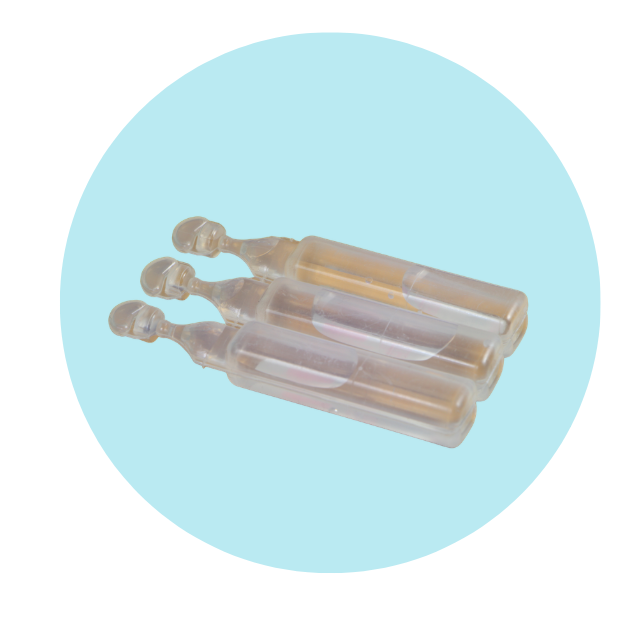
[ – ] Keep the eye moist: If the eye is bulging or the eyelid cannot close, gently apply sterile saline/contact lens solution or place a thoroughly moistened, clean cloth over it while on your way to the clinic.
[ – ] Flushing: If a chemical has contacted the eye, gently flush it with clean water or sterile saline for 15 minutes.
[ – ] Prevention: Prevent your pet from rubbing or scratching the eye (an Elizabethan collar / cone is usually essential).




[!] WHAT TO STRICTLY AVOID
➤ DO NOT attempt to remove an object embedded in or protruding from the eye yourself.
➤ DO NOT attempt to push a displaced eye back into the socket. Only a veterinarian should do this under anesthesia.
➤ DO NOT wait until the next day to seek veterinary care.
Contact us immediately if: the eye abruptly changes color, if discharge turns thick and green/yellow, or if your pet appears to be in worsening pain.

Roger Gfeller, DVM, DACVECC ; Michael Thomas, DVM ; Isaac Mayo ; VIN Emergency Medicine Consultants
Published: 12/31/1994 | Revised: 10/07/2018
First Aid Resources:
• Abscess • Bandaging • Insect Bites & Stings • Bleeding • Bloat • Burns • Breathing Difficulties • CPR / Resuscitation • Chemical Burns • Choking • Dehydration • Diarrhea / Vomiting • Difficult Birth (Dystocia) • Drowning • Electrocution • Fainting / Syncope • Fever • Fractures • Heat Stroke • Hypothermia • Penetrating Wounds • Nosebleeds • Paralysis • Physical Examination • Poisoning • Preventing a Crisis • Seizures / Convulsions • Shock • Snakebite • Straining to Urinate/Defecate • Sunburn • Transporting an Injured Pet • Wounds • Conclusion
